

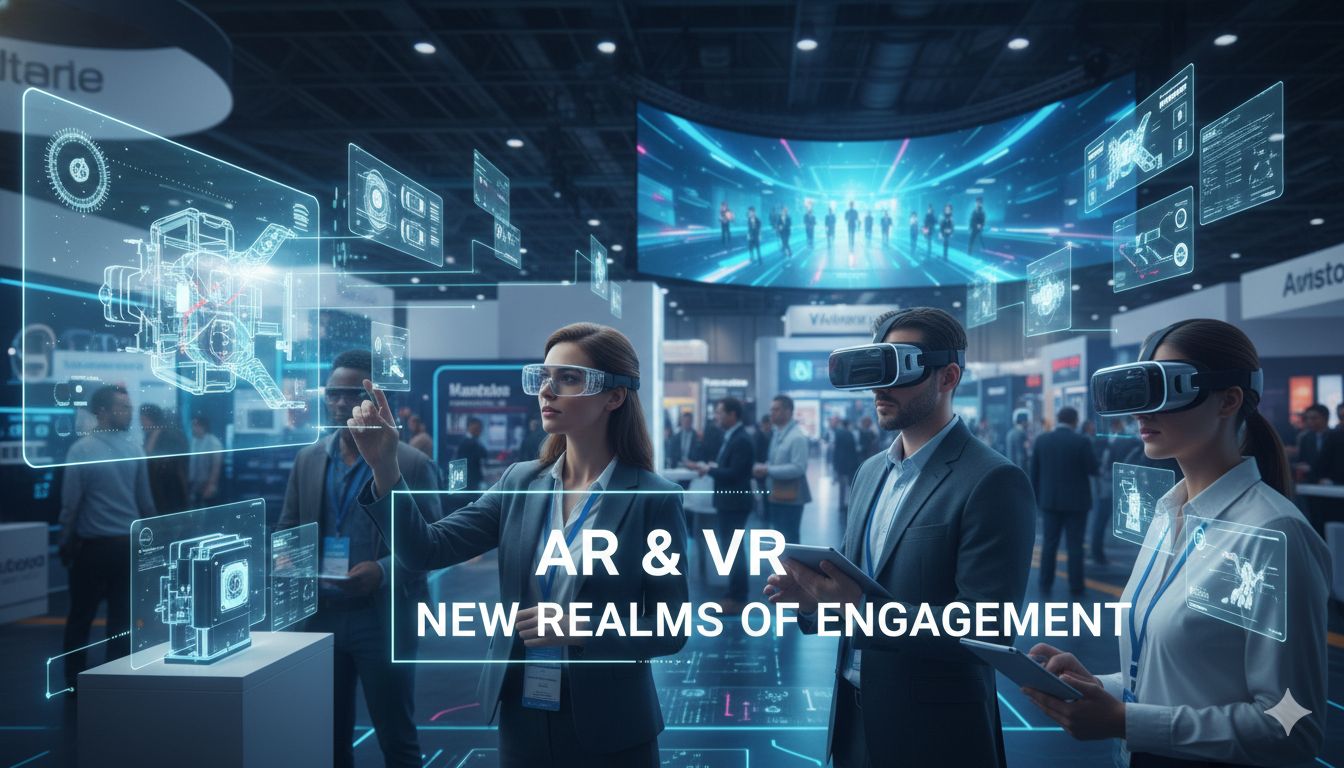
Walk through any modern trade show, and you’ll notice something: booths aren’t just handing out brochures anymore — they’re buzzing with games, digital screens, and people actually smiling.
That’s the power of gamification. It turns your brand message into an experience people want to be part of.
But here’s the tricky part — not every game fits every booth. I’ve seen brands spend on flashy setups that look great on paper but fall flat on the show floor because they didn’t match their audience, space, or story.
So, if you’re planning to add trade show booth games to your setup, here’s how to make sure you choose the rightone — the kind that attracts a crowd, keeps them engaged, and leaves your logo etched in their memory.
1. Start with Your Objective — Fun Isn’t the Only Goal
A lot of exhibitors make this mistake: they think the goal is to “make it fun.”
Fun helps, but purpose wins.
Ask yourself —
- Do you want to generate leads?
- Promote a new product?
- Educate visitors about something technical?
- Or simply build brand recall?
Each goal demands a different game style.
For example:
- For lead generation, choose quick mobile-based games with digital sign-up forms.
- For product education, try interactive quizzes or AR-based demos.
- For brand recall, use simple competitive games that encourage social sharing.
Once you know the “why,” the “what” becomes clear.
2. Match the Game Type to Your Booth Space
Space dictates experience.
In small booths (say 10×10), stick to compact custom branded games that run on tablets, touchscreens, or even visitors’ own phones. These are lightweight, portable, and can engage multiple users in rotation.
For medium-sized setups, you can add a small leaderboard screen, photo booth, or AR selfie wall — something that invites quick participation but doesn’t clog traffic flow.
For large or open booths, go big. You can bring in gesture-based setups, multiplayer games, or even immersive VR for events experiences that completely transport users into your brand’s world.
The key: design for flow. People should be able to walk in, understand instantly, play, and leave with a smile.
3. Choose a Game That Reflects Your Brand Personality
If your brand is bold and energetic, a racing or reaction-based game fits.
If it’s professional and precise, maybe a quiz or puzzle that tests skill and knowledge.
If it’s creative, something playful like a selfie filter or memory match game.
You don’t want a serious cybersecurity company running a cartoon balloon-popping game — it’ll confuse visitors.
Your game should speak your brand language without shouting your tagline. Subtlety builds credibility.
4. Prioritize Simplicity Over Complexity
Trade show visitors don’t have patience for long instructions or complicated mechanics. You have 5–10 seconds to grab attention and get them playing.
If you need a booth staffer to explain every step, the game’s too long.
Go for:
- One-tap mechanics
- Quick feedback (score, confetti, animation)
- Clear call-to-action (“Scan QR to Play,” “Tap to Start”)
Remember — people should understand the game by watching others play it. That’s when you know it’s designed right.
5. Make It Scalable
Your game shouldn’t be a one-show wonder.
The smartest investment is in a reusable game that can be reskinned for different events. You can change themes, colors, or prizes while keeping the core experience intact.
That’s why many brands now opt for custom branded games — they’re built to evolve. Whether you’re attending an auto expo this month or a healthcare fair next, the same base can be redesigned with new branding in minutes.
It’s cost-efficient, flexible, and sustainable.
6. Think About the Reward Loop
Games without rewards feel unfinished.
Rewards don’t always mean gifts — they can be digital badges, leaderboard rankings, or social shoutouts. The idea is to make the player feel good about participating.
Physical giveaways (like branded tote bags or merchandise) can work, but digital ones scale better. You can email participants their scores or reward coupons, turning booth fun into post-show engagement.
That post-event connection is where the real ROI lies.
7. Test Before You Go Live
I can’t stress this enough. What works in your office might behave differently on the noisy show floor.
Always test the following:
- How quickly people grasp the game
- Whether sound or visuals are too subtle (or too loud)
- If setup or reset time between players is minimal
Run a mini rehearsal — invite teammates who haven’t seen the project yet and watch how naturally they play. If they get stuck, simplify it.
Real-world simplicity beats technical perfection every time.
8. Layer in Data Tracking
A smart game doesn’t just entertain — it informs.
You can collect insights like:
- How many people played
- How long they engaged
- What percentage completed the challenge
- Which part of the game drew the most attention
This data helps justify your event ROI and plan future shows with confidence.
Most modern trade show games — especially those built for mobile or web — can easily capture this data in the background.
9. Budget Smartly — Impact Over Expense
You don’t need to blow up your budget to create impact.
Start small: a single-screen interactive game can outperform an expensive prop if it’s fun, quick, and memorable.
The idea isn’t to have “the most expensive booth” — it’s to have the one people talk about.
And honestly, even a small, well-designed AR game or quiz can do that far better than a giant display that nobody interacts with.
Final Thoughts
Choosing the right game for your trade show booth isn’t about chasing trends — it’s about knowing your audience, your story, and your space.
If your goal is attention, go for instant, visual, and fast.
If your goal is education, go for interactive and simple.
If your goal is emotion, go for immersive and shareable.
Whatever you choose, make sure the experience feels human. That’s what makes people stay longer, smile wider, and remember your brand even after the event ends.
Because in a hall full of noise, the booth that makes people feel something — always wins.